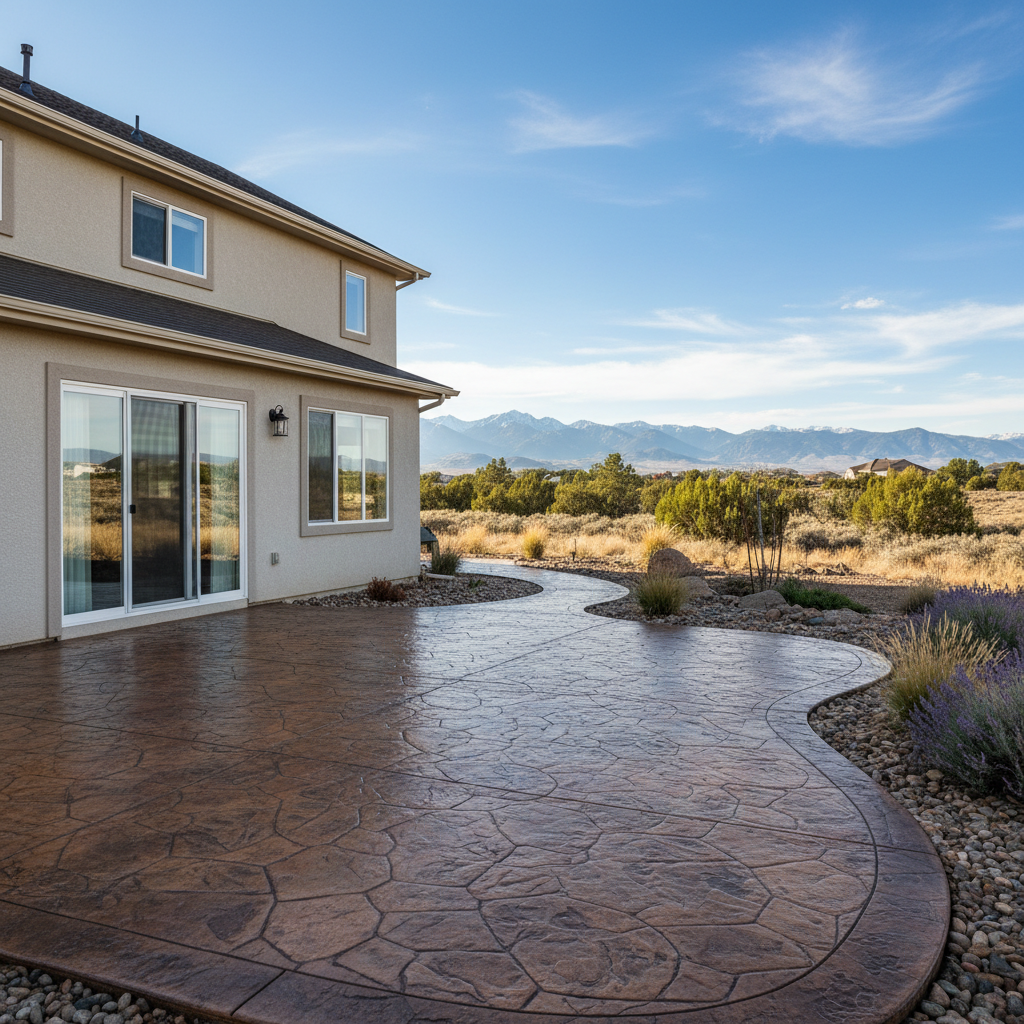
Alright, you need some concrete work done. Maybe it's a new patio, a driveway repair, or you're finally replacing that cracked sidewalk that's been bugging you for years. Finding the right contractor can feel like a headache, but it doesn't have to be. I've been doing this for a long time, and I've seen a lot of good work and, frankly, some pretty shoddy stuff too. Here's what you need to know to make sure you're hiring someone who'll do the job right.
What to Ask Potential Contractors
When you're talking to someone about your project, don't be shy. You're hiring them, so you have every right to ask questions. Here are some I'd recommend:
- How long have you been in business? Experience matters, especially with concrete. It's not just about pouring; it's about prep, mix, and cure.
- Can you provide references? And don't just take their word for it. Call those references. Ask about their experience, if the project stayed on budget, and if there were any issues.
- Are you licensed and insured? This isn't optional. A legitimate contractor will have both. If they don't, walk away. Period.
- What's your process for this specific job? For example, if it's a driveway, ask about sub-grade prep, rebar or mesh, control joints, and sealing. You want to hear details that show they know what they're doing.
- Who will actually be doing the work? Will it be their own crew, or do they sub it out? If they sub it, ask about the subcontractor's credentials.
- What's the timeline? Get a realistic start and finish date. Delays happen, but you want to know what to expect.
- What kind of warranty do you offer? Good contractors stand behind their work.
Decoding the Quote: What to Look For
A quote isn't just a number; it's a breakdown of the work. You need to understand what you're paying for. A good quote will be detailed, not just a single line item. Here’s what you should expect to see:
- Clear Scope of Work: It should explicitly state what's included. Is it just the pour, or does it include demolition of old concrete, hauling it away, and site prep?
- Materials Breakdown: What type of concrete mix are they using? What PSI? Are they including rebar, wire mesh, or fiber mesh? What about expansion joints and control joints?
- Labor Costs: Sometimes this is rolled into the total, but it should be clear that labor is covered.
- Permits: Who is responsible for pulling any necessary permits? In Sandy, depending on the project, you might need one, especially for larger driveways or structural elements.
- Payment Schedule: A reputable contractor won't ask for 100% upfront. Expect a deposit (usually 10-30%), progress payments, and a final payment upon satisfactory completion.
- Total Cost: Obviously, the final price. Make sure it's all-inclusive.
Watch Out for These Red Flags
There are definitely signs that tell you to hit the brakes. Don't ignore your gut feeling, but also look for these concrete (pun intended) indicators:
- Unsolicited Offers: Someone knocking on your door saying they just finished a job down the street and have leftover materials? That's a classic scam.
- Cash-Only Deals: While some small businesses might prefer cash, if it's the *only* option and they're pushing it hard to avoid taxes, that's a problem. No paper trail means no recourse if things go wrong.
- No Contract or Vague Contract: If they're not willing to put everything in writing, or the contract is super basic, run.
- High-Pressure Sales Tactics: