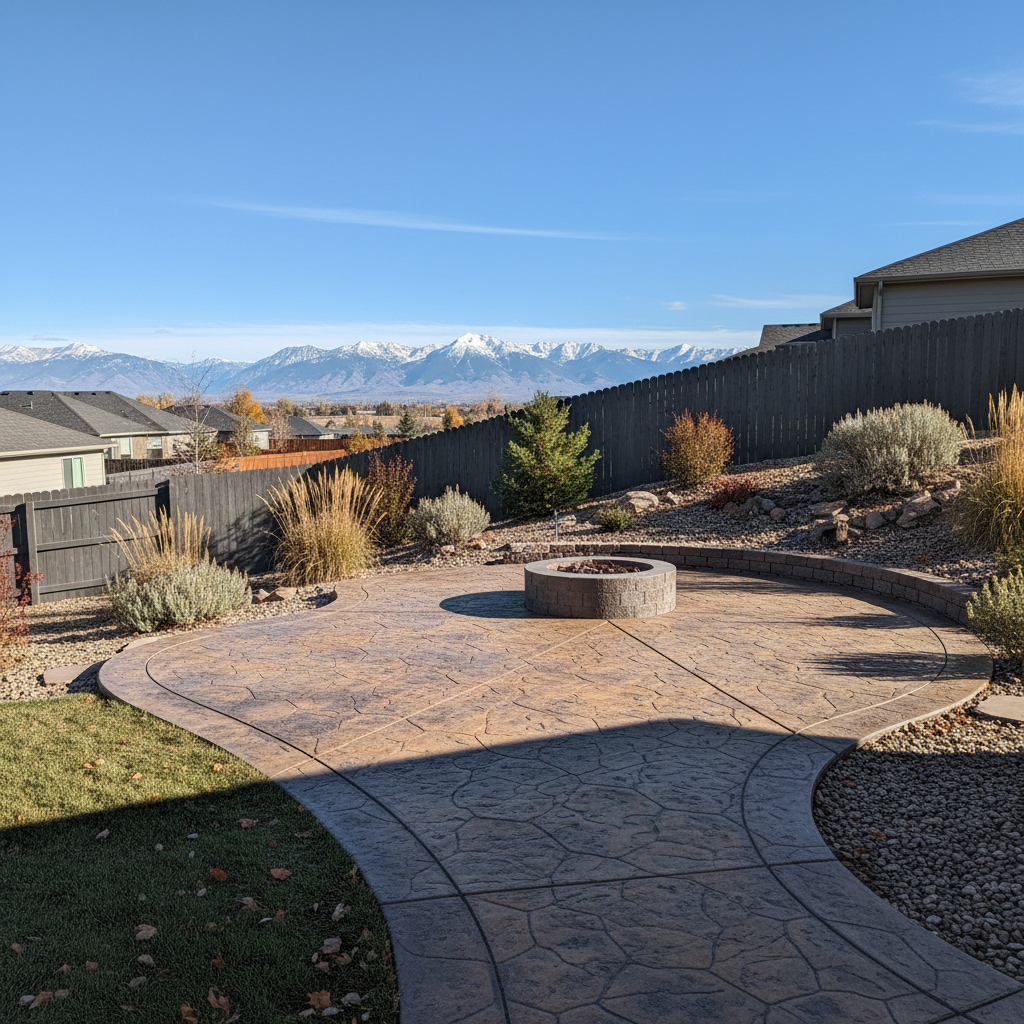
You want a beautiful stamped concrete patio or walkway that lasts, right? Well, if you're getting it done here in Sandy, you really need to pay attention to the seasons. It's not just about picking a cool pattern; it's about understanding how our local weather affects the whole process, from pouring the concrete to making sure it's protected for years to come.
When's the Best Time to Schedule Stamped Concrete?
Honestly, spring and fall are your best bets for stamped concrete projects here in Sandy. Why? Because the temperature is usually just right. Concrete cures best when it's not too hot and not too cold. Think Goldilocks: not too much direct sun baking it, and definitely no freezing temperatures trying to mess with the hydration process.
In spring, once the last threat of a hard freeze is gone – usually sometime in April, though Mother Nature can always surprise us, can't she? – that's a great window. The ground has thawed out, and you've got consistent, moderate temperatures. Fall is also fantastic, especially September and October. The days are still warm enough for good curing, but you avoid that intense summer heat that can make the concrete dry too fast, which can lead to cracks or a weaker finish. We've done plenty of jobs in the neighborhoods near Bell Canyon in the fall, and they always turn out great because the conditions are so stable.
Weather Conditions That Really Matter
When I'm planning a stamped concrete job, I'm constantly checking the forecast. Here's what I'm looking for:
- Temperature: Ideally, we want daytime temps between 50°F and 80°F. If it's too hot, the water in the mix evaporates too fast, weakening the concrete and making it harder to stamp. If it's too cold, the concrete cures too slowly, and if it freezes before it gains enough strength, well, that's a disaster.
- Rain: This one's a big no-no during installation. Freshly poured concrete and rain just don't mix. Rain can wash out the cement paste, weaken the surface, and ruin the stamp pattern. We always watch for clear skies on pour day and the day after.
- Wind: A little breeze is fine, but strong winds can dry out the surface too quickly, especially on a hot day. This can lead to plastic shrinkage cracking, which is exactly what it sounds like – cracks that form while the concrete is still plastic.
- Humidity: Lower humidity means faster evaporation. Higher humidity means slower. We adjust our mix and timing based on this.
Our soil conditions here in Sandy, which can be pretty clay-heavy in some areas, also play a role. Good drainage and proper base preparation are always critical, no matter the season, to prevent issues down the road.
Protecting Your Investment Year-Round
Once your stamped concrete is in, you want it to look good for years. Here's how to keep it that way:
Sealing is Key
I can't stress this enough: sealing is crucial. We apply a high-quality sealer after installation, but it's not a one-and-done deal. You should plan to reseal your stamped concrete every 2-3 years, sometimes more often if it gets heavy traffic or direct sun all day. The sealer protects against stains, UV damage (which can fade colors), and freeze-thaw cycles. Those cycles are brutal here in Utah, with temperatures swinging above and below freezing throughout the winter.
Winter Care
When winter hits, be careful with de-icing chemicals. Many de-icers contain salts that can damage concrete, especially if it's not properly sealed or fully cured. I always recommend using sand for traction or a concrete-safe de-icer. Shovel snow promptly to prevent prolonged moisture exposure. And never use a metal shovel directly on the surface – you can scratch or chip the sealer.
Summer Maintenance
In the summer, a good rinse with a garden hose is usually all you need to keep it clean. For tougher spots, a mild detergent and a soft brush will do the trick. Avoid pressure washers on high settings; they can strip the sealer or even damage the concrete surface if you're not careful. Keep an eye out for any oil or grease spills and clean them up quickly before they can soak in and stain.
Taking these steps will help your stamped concrete look fantastic for a long time. It's an investment in your home's curb appeal and functionality, and with a little seasonal attention, it'll really pay off. If you have questions about your specific project or need advice on maintenance, don't hesitate to call us at Sandy Concrete Solutions. We're always happy to help our neighbors.