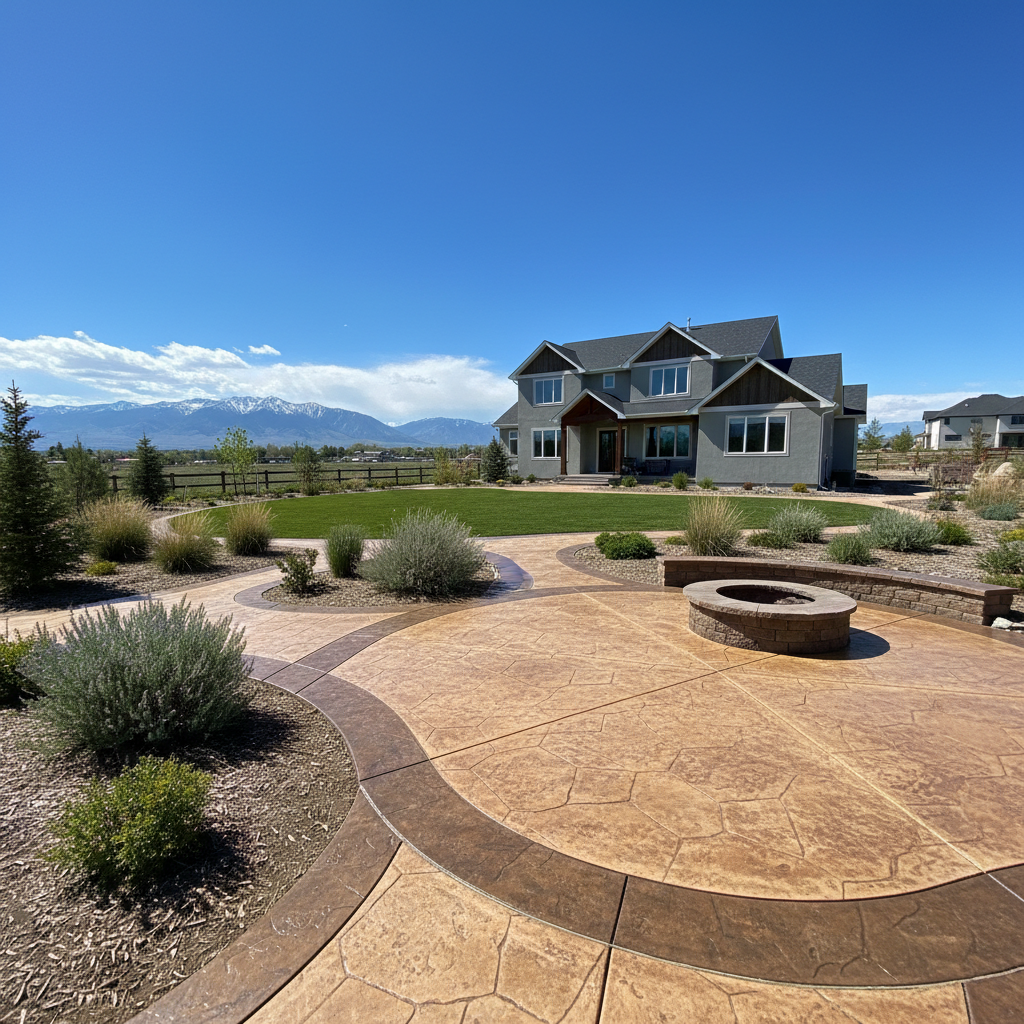
So, you're dreaming of a new stamped patio, a polished concrete floor in your basement, or maybe an epoxy garage floor that'll make your neighbors jealous. That's great! Decorative concrete can really transform a space, adding both beauty and durability. But before you jump in, let's talk about planning. I've been doing this a long time here in Sandy, and I've seen what makes a project go smoothly and what can cause headaches. This isn't just about pouring concrete; it's about making sure you get exactly what you want without any surprises.
Understanding Your Project Timeline
The first thing homeowners often ask me is, “How long will this take?” And the answer, as always, is “It depends.” But I can give you a good idea of the stages involved. Generally, you're looking at a few key phases:
- Initial Inquiry & Consultation (1-2 weeks): This is where you reach out to a few contractors, get some ideas, and schedule site visits. Good contractors are busy, especially during peak season, so don't expect someone to show up tomorrow.
- Estimates & Decision Making (1-3 weeks): Once you have a few bids, you'll need time to compare them, ask follow-up questions, and make your choice. Don't rush this part.
- Scheduling (2-8 weeks, or more): This is probably the biggest variable. If you're planning a project in the spring or summer, especially after a long winter like we often get here in the Salt Lake Valley, contractors' schedules fill up fast. Get on the books as soon as you've picked your pro.
- Project Execution (Days to 2 weeks): The actual work itself can range from a couple of days for a small patio to a week or two for a larger, more complex stamped driveway or a multi-stage epoxy floor. Curing times for concrete also add to this, even if we're not actively on site.
- Final Curing & Sealing (1-4 weeks post-pour): Even after we're done, the concrete needs time to fully cure before heavy use or before certain sealers can be applied. Your contractor will give you specific instructions.
All told, from your first call to enjoying your new surface, you could be looking at anywhere from 6 weeks to 4 months, depending on the season and project complexity. Plan ahead, especially if you have a specific event or deadline in mind.
What to Expect During the Process
Once you've signed a contract with a company like Sandy Concrete Solutions, here's a general rundown of what'll happen:
- Pre-Construction Meeting: We'll go over everything one last time – colors, patterns, drainage, access, and any specific concerns you have. This is crucial for making sure we're all on the same page.
- Site Preparation: This is where the heavy lifting starts. We'll mark out the area, excavate if needed, and prepare the sub-base. Good site prep is non-negotiable for a lasting concrete job. You might see some dirt getting moved around, and yes, it can get a little messy.
- Formwork: We'll build the forms that will hold the concrete in place. This defines the exact shape and height of your new surface.
- Pouring & Finishing: This is the big day! The concrete truck arrives, and we get to work pouring, leveling, and then applying the decorative finish – whether that's stamping, polishing, or preparing for an epoxy coating. This part is very time-sensitive, and the crew will be focused.
- Curing: Once the concrete is poured, it needs time to harden and gain strength. We'll often apply a curing compound or cover it. Don't disturb it during this time.
- Sealing/Coating: After the initial cure, we'll return to clean, seal, or apply your chosen coating (like epoxy). This protects the concrete and enhances its appearance.
Throughout the process, communication is key. Don't hesitate to ask questions if you're unsure about something. We're here to make it clear.
How to Prepare Your Home and Property
You can do a few things to help the project run smoothly and keep your property safe:
- Clear the Area: Move any furniture, potted plants, grills, or other items from the work zone. If we're working on a driveway, make sure vehicles are parked elsewhere.
- Provide Access: Ensure there's a clear path for our equipment and crew. This might mean unlocking gates or moving trash cans.
- Protect Landscaping: If you have delicate plants or shrubs near the work area, consider covering them or temporarily moving them if possible. We do our best to be careful, but concrete work can be dusty and sometimes involves heavy equipment.
- Manage Pets and Kids: Keep pets and children away from the active work zone. It's a construction site, and safety is paramount.
- Water Access: We'll likely need access to an outdoor water spigot.
- Review Sprinkler Lines: If we're excavating, know where your sprinkler lines are. Mark them if you can. We always try to avoid them, but sometimes they're in unexpected places.
A little preparation on your end can save a lot of time and potential headaches for everyone.
Crucial Questions to Ask Before Signing a Contract
Before you commit to any contractor, make sure you're comfortable with their answers to these questions:
- What's included in the price? Get a detailed breakdown. Does it cover excavation, grading, materials, labor, sealing, and cleanup? Are there any potential hidden costs?
- What kind of warranty do you offer? A reputable contractor will stand behind their work. Understand what's covered and for how long.
- Can I see examples of your decorative concrete work? Look at their portfolio, and if possible, ask for addresses of local projects you can drive by. Seeing their work in person is invaluable.
- Are you licensed and insured? Don't even consider working with someone who isn't. This protects you if there's an accident or an issue with the work.
- How do you handle changes or unforeseen issues? Sometimes things come up. You want to know how they communicate and resolve problems.
- What's the payment schedule? A small deposit is normal, but be wary of contractors asking for a huge upfront payment. Final payment should typically be due upon satisfactory completion.
- What are the maintenance requirements for my specific decorative concrete? Stamped concrete, polished concrete, and epoxy all have different care needs. Make sure you understand them.
- Who will be on site, and who is my main point of contact? Knowing who to talk to if you have questions during the project is important.
Taking the time to ask these questions will help you choose the right contractor and ensure your decorative concrete project in Sandy goes off without a hitch. It's an investment in your home, so make sure you're making a smart one.